
From Runway to Street: Following The Row’s Fashion Evolution
The Row occupies a peculiar but coveted place in fashion. Launched by Mary-Kate and Ashley Olsen back in 2006, the label began as a understated rebuttal to the din of celebrity-driven labels and has grown into one of the most respected houses in low-key luxury. No logo announces itself on the front of a bag, no branding is stitched visibly into a coat lapel — yet the cognoscenti recognize it instantly. The Row’s Paris runway presentations are notoriously minimal and deliberate, often without music or fanfare, allowing the clothing and accessories to do the talking. This restraint has become the brand’s loudest statement. Following how that catwalk restraint has filtered down into everyday consumer demand — most notably around row bags and row handbags — tells you almost everything about where fashion is heading in 2026.
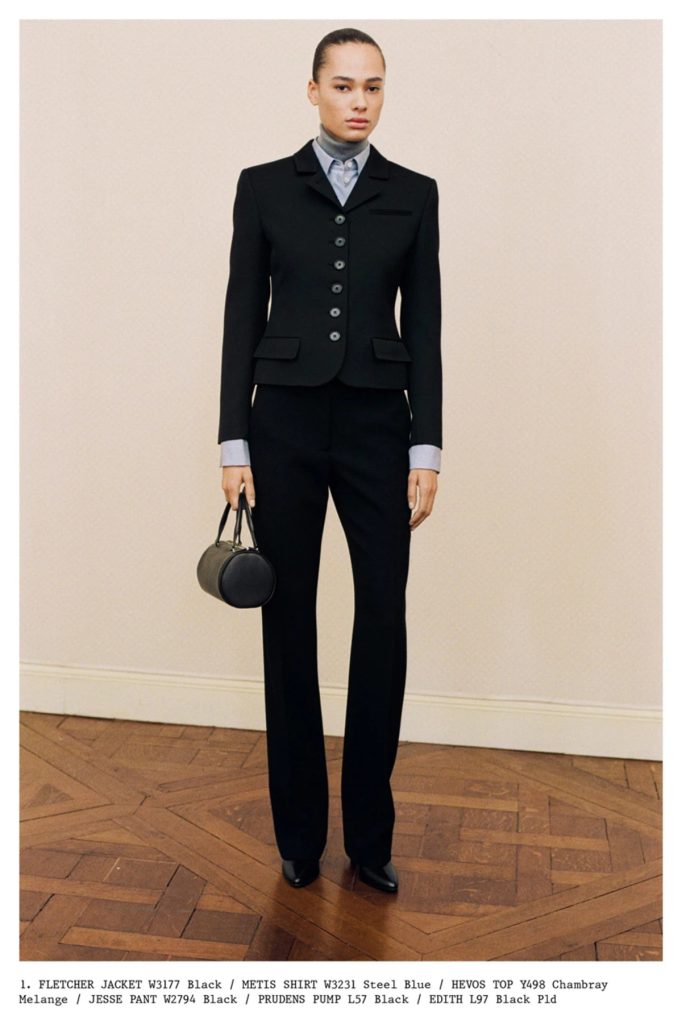
What lends this path its intrigue is the divide separating runway drama from day-to-day practicality. Numerous labels showcase pieces that stay confined to the runway, whereas The Row takes the opposite approach. Its collections are engineered from the outset to be worn, carried, and repeated season after season. Because of this outlook, the row fashion approach stands as a model of durability over trend-chasing, and that’s most evident in the handbag line, which ranks as the most searched, talked-about, and resold category the brand offers.
The Formative Period: Restraint as a Statement of Resistance
At the time saint laurent The Row debuted, minimalism was far from the prevailing sensibility it has since become. That era, the mid-2000s, was anything but quiet: logos, ornamentation, low-rise silhouettes everywhere. In contrast to that noisy climate, the Olsens debuted tailored trousers, logo-free leather goods, and a color scheme that stuck closely to black, cream, and camel. Six years passed before the brand gained serious critical traction, with fashion editors slowly recognising that the pared-back construction wasn’t a lack of ambition but an entirely different kind of craftsmanship.
The early row bags reflected this same ethos. You wouldn’t find flashy hardware or monogrammed canvas, just sleek silhouettes and dense, premium leather. This was a deliberate departure from the “it bag” era, where recognisable logos were the primary driver of desirability. The brand gambled that buyers would, in time, tire of loud status signals and start craving subtlety instead. The wager proved successful, albeit slowly, since it took close to a decade before the wider industry caught up to the brand’s vision.
Fashion insiders and tastemakers had, in the early part of that decade, rallied around the brand attentively, prizing cut and fabric above branding. Difficult to find and rarely discounted, these garments stayed expensive, which only heightened their sense of rarity. For almost twenty years, this scarcity model has barely shifted, clarifying why an authentic markdown event is even now considered uncommon rather than an annual given.
Cult Bags and the Margaux Phenomenon
The Margaux tote is, arguably, the one accessory that carried The Row from insider secret into widespread fixation. Clean-lined, fuss-free, and easy to spot to those with an eye for such things, the Margaux turned into shorthand for understated wealth. Queries about where to buy the row margaux bag spiked repeatedly between 2019 and 2023, and by 2026 it stands as one of the most requested styles among personal shoppers and resale platforms alike.
The Margaux’s draw lies in its adaptability. It reads as a office bag, a travel companion, and an everyday off-duty bag depending on how it’s styled, which explains why it consistently shows up in lists of the best row bags. Unlike many designer totes that favour shape over function, the Margaux was constructed to offer actually practical interior space, a detail practical buyers appreciate as much as aesthetes do.
Past the Margaux itself, other designs too have attained cult status. The Row’s smaller top-handle bags and soft-structure shoulder styles regularly appear in round-ups covering the best row bags of the past five years. What unites them isn’t a single silhouette but a coherent design ethos: understated hardware, deliberate proportions, and leather that visibly improves with age rather than deteriorating. As a result, the resale market for row bags unusually resilient — buyers keep them rather than flipping them quickly, which keeps supply tight and demand steady.
Making Sense of the Data: Popularity and Pricing
Data from resale platforms and search trend trackers offers a practical, data-backed view of how The Row’s accessories business has progressed. Interest in the row tote bag category has grown steadily rather than spiking unpredictably, which is unusual in a fashion market often driven by viral moments. Such consistency implies the appeal is structural — grounded in repeat purchases and long-term satisfaction — rather than short-lived, trend-fuelled excitement.
The table below summarises broad positioning across three frequently cited style categories within The Row’s handbag range, based on publicly discussed characteristics rather than invented figures.
| Silhouette Category | Where It’s Commonly Used | Level of Resale Interest | Style Hallmark |
|---|---|---|---|
| Firm-Shaped Totes, such as Margaux | Office, commuting, daily carry | Elevated | Boxy contour paired with minimal hardware |
| Loose-Structured Bags Worn on the Shoulder | Relaxed looks and evening occasions | Mid-to-Elevated | Loose leather form with minimal strap detailing |
| Compact Top-Handles | Everyday looks and casual runs | Mid-Level | Scaled-down proportions with neat stitching |
This kind of comparison is helpful for those doing a row bags overview prior to committing to a purchase, since the categories perform differently in terms of both everyday practicality and long-term resale value. The structured-tote category tends to hold value best because they’re the most photographed and requested, while the compact top-handle style are prized more for versatility than resale upside.
Street Style’s Role in Fueling Demand
Formal runway presentations set tone, but candid off-duty style is what truly solidifies a bag’s cultural relevance. Paparazzi and street-style photographers have spent seasons capturing editors, stylists, and off-duty models carrying the row bag of the moment outside shows in Paris, Milan, and New York. Such unposed photos have arguably done more to drive interest in the row handbags than official ad campaigns ever could, because they show the products functioning in real life — slung over a shoulder, carried underarm, worn with jeans instead of couture.
This organic visibility has created a feedback loop. As these candid photos spread more widely, more shoppers hunt for specific styles, which increases resale prices, which in turn amplifies the perceived exclusivity of owning the bag in the first place. It’s a self-reinforcing cycle that few brands manage to sustain for more than a few seasons, yet The Row has sustained it for nearly two decades without needing attention-grabbing marketing campaigns to sustain it.
Fashion commentators have also noted that The Row rarely relies on gifting bags to celebrities or influencers in the way many contemporary labels do. Much of the visibility appears unforced, built from authentic, self-funded buys rather than sponsored deals. Regardless of whether each case is truly unpaid, the brand’s public image benefits from seeming genuine rather than transactional, which matters a great deal to the quiet-luxury shopper who is often wary of overt advertising.
How The Row Is Positioned Heading Into 2026
Entering 2026, The Row shows no signs of loosening its grip on the quiet-luxury segment. If anything, competitors have spent the last few years trying to replicate its formula — minimal branding, elevated materials, restrained runway presentations — with uneven results. Hardly any have equaled the steadiness of The Row’s design language across seasons, which remains its greatest competitive advantage.
Anyone searching for a genuine row sale, it’s key to recognize that price cuts are uncommon, and when they do, they’re generally minor—tied to end-of-season clearance rather than aggressive discounting.
This deliberate rarity is purposeful and has kept the brand’s market stance firmly in place even as the wider luxury sector have grappled with rising price pressures and fluctuating shopper mood.
Instead of dramatic reinvention, looking ahead points to continued expansion of the accessories range. The label’s approach to growth has consistently favoured steady, small-scale evolution over radical change, introducing new color variations or understated design refinements to established best-selling styles instead of pursuing passing fads. That consistency is precisely the point for those building a lasting wardrobe around timeless pieces — and it’s why The Row’s evolution from runway curiosity to street-level staple continues to feel less like a temporary phase and more like a permanent shift in how subtle luxury is defined.
